
In 2026, Are Teaching Jobs in Demand? Exploring the Shifts in Education Careers
Teaching roles remain in strong demand in 2026, even as enrollment patterns and budgets shift across regions and grade levels. Persistent teacher shortages, high turnover, and critical needs in specialized subject areas continue to make education one of the most opportunity-rich career fields in the United States and globally (Learning Policy Institute, 2025; Learning Policy Institute, 2026; UNESCO, 2024). For prospective and current educators, this means a labor market with many openings, strong need in specific communities and subjects, and growing attention to compensation and working conditions.
Ongoing Teacher Shortages in 2026
Nationally, about 1 in 8 teaching positions are either vacant or filled by teachers who are not fully certified for their assignments, a pattern that persisted into the 2025–26 school year (Learning Policy Institute, 2025). This translates to more than 400,000 positions affected and millions of students taught by an underprepared or temporary workforce. Shortages remain especially acute in special education, STEM fields, and certain high-need grade levels where states report the deepest gaps.
Recent analyses show that teacher turnover remains high, with more than 15% of teachers either moving schools or leaving the profession over a single year (Learning Policy Institute, 2026). Many of these exits are linked to low pay relative to other professions, challenging working conditions, limited support, and burnout. At the same time, enrollment in many teacher preparation programs has not rebounded to earlier levels, creating a pipeline that is too small to replace departures in high-need areas.
Trends Driving Demand for Teachers
Several structural trends are sustaining and, in some regions, intensifying demand for educators in 2026:
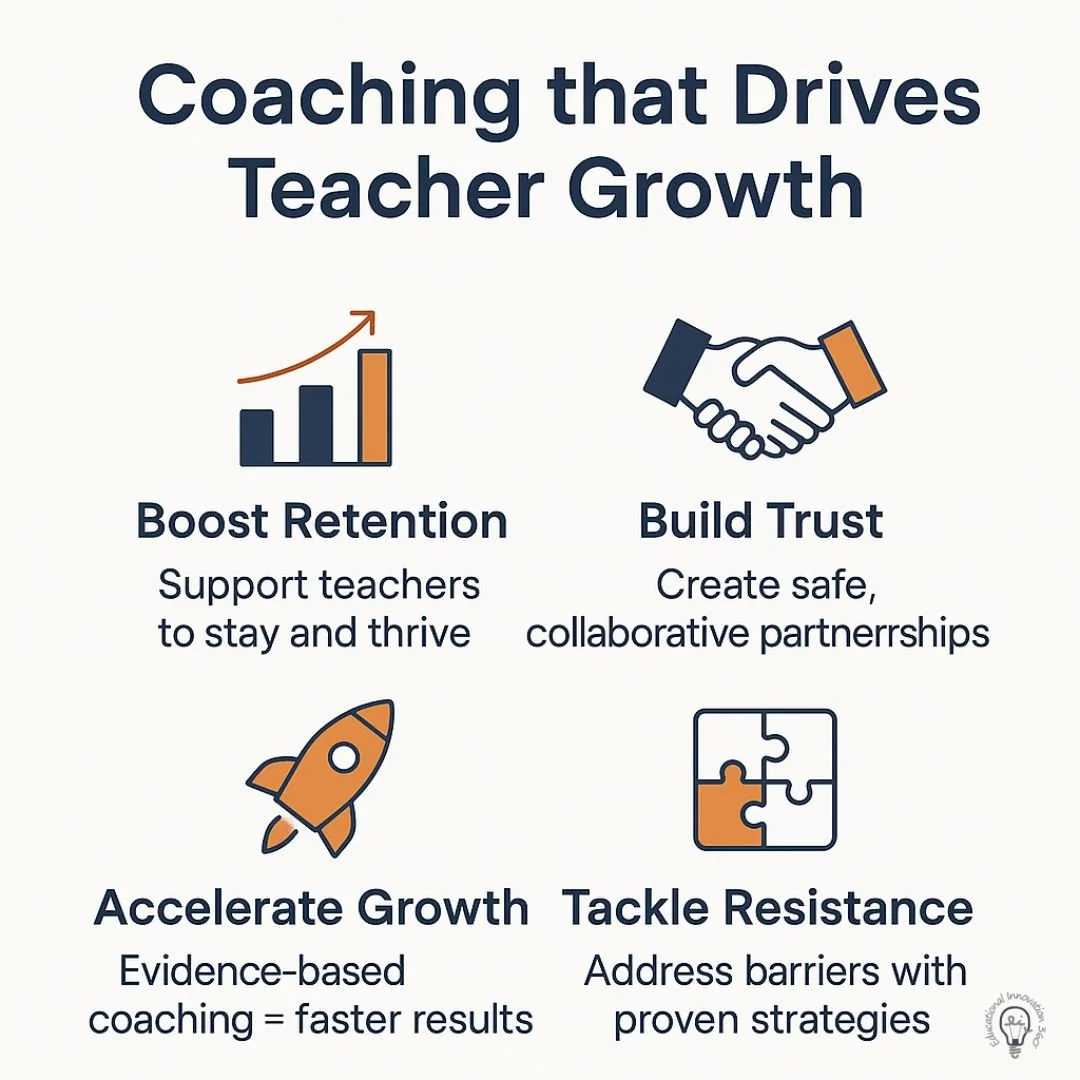
Ei360: Drive Teacher Growth
Specialized and critical shortage areas
Shortages are most severe in STEM (science, technology, engineering, and math), special education, English as a Second Language (ESL), bilingual education, and early childhood education (Learning Policy Institute, 2025). Districts in these areas are more likely to rely on emergency or provisional credentials, sign-on bonuses, and targeted recruitment to fill classrooms.Turnover and retirements
Even where total student enrollment is flat or slightly declining, retirements and mid-career exits create a steady stream of vacancies that must be filled annually (Learning Policy Institute, 2026). High-need schools serving students in poverty experience higher turnover, which intensifies the demand for qualified teachers willing to work in those contexts.Global perspective
Internationally, UNESCO estimates that tens of millions of new teachers will be needed worldwide by 2030 to meet global education targets, underscoring that teaching remains a critical and future-relevant profession (UNESCO, 2024; Exeed College, 2026). This global demand is particularly strong in low- and middle-income countries striving to expand access to basic education.
How Shortages Affect Students and Schools
Teacher shortages have significant implications for educational quality, equity, and district finances. When vacancies persist, schools often increase class sizes, assign teachers outside their credentialed subject area, or rely heavily on substitutes, all of which can undermine student learning and achievement (Learning Policy Institute, 2025). Large-scale studies link access to fully prepared, experienced teachers with higher student outcomes, especially in core academic subjects.
These shortages also deepen inequities. Students in low-income communities and students of color are disproportionately taught by inexperienced or uncertified teachers, while more affluent schools are better positioned to recruit and retain fully prepared staff (Learning Policy Institute, 2025). This uneven distribution of teacher quality contributes to persistent opportunity gaps across districts and states. Financially, high turnover forces districts to spend heavily on recruitment, hiring, and onboarding, diverting funds that could otherwise support instruction or student services.
Job Prospects and Career Paths in 2026
Federal labor projections show that education jobs will remain stable overall, with modest growth or slight decline depending on grade band, but a large number of openings each year driven by retirements and attrition (Bureau of Labor Statistics, 2025). For example, positions for postsecondary teachers are projected to grow about 7% from 2024 to 2034, faster than the average for all occupations, while kindergarten and elementary roles show a small projected employment decline but still generate more than 100,000 openings per year due to replacement needs.
For educators, this translates into strong prospects in certain roles and regions, especially in:
Elementary, middle, and high school teaching in high-need districts
Special education, ESL, and bilingual education
STEM and career and technical education
Early childhood education
Postsecondary teaching and academic support roles
Instructional coaching, curriculum design, and instructional coordination
Many districts and states now offer incentives such as signing bonuses, tuition support, “grow your own” programs, teacher residencies, and improved benefits to attract and retain educators in shortage areas (Learning Policy Institute, 2023). Flexible pathways—including alternative certification programs and residencies—are expanding access for mid-career professionals who want to enter teaching while maintaining income.
Strategies and Solutions Emerging in 2026
Leading education researchers emphasize that solving teacher shortages requires both strengthening the pipeline into teaching and improving conditions so that teachers stay. Recommended strategies include competitive and equitable salaries, service scholarships and forgivable loans for high-need subjects, high-quality residency programs, and robust induction and mentoring for early-career teachers (Learning Policy Institute, 2023). Improving working conditions—such as manageable class sizes, time for collaboration, supportive leadership, and mental health supports—also plays a crucial role in teacher retention.
At the policy level, several states are simplifying license reciprocity to allow teachers to move across state lines more easily and aligning preparation standards with what teachers actually encounter in classrooms (Learning Policy Institute, 2023). Globally, UNESCO calls for stronger investments in teacher training, professional standards, and teacher voice in policy decisions as core components of addressing the worldwide teacher shortage.
Conclusion: Teaching as a High-Need, High-Impact Career
In 2026, teaching remains both deeply needed and deeply impactful. Persistent shortages, high turnover, and global calls for more educators demonstrate that qualified teachers are central to academic recovery, equity, and long-term economic health (Learning Policy Institute, 2025; UNESCO, 2024). For individuals considering the profession—or current educators weighing their next step—this is a moment when entering or staying in teaching can make an outsized difference for students and communities, especially in high-need schools and specialized fields.
If you share your target audience (for example, aspiring teachers, career changers, or district leaders), what is one key message about teaching careers in 2026 that you most want this blog to emphasize?
References
Bureau of Labor Statistics. (2025, August 27). Kindergarten and elementary school teachers. https://www.bls.gov/ooh/education-training-and-library/kindergarten-and-elementary-school-teachers.htm
Bureau of Labor Statistics. (2025, August 27). Postsecondary teachers. https://www.bls.gov/ooh/education-training-and-library/postsecondary-teachers.htm
Exeed College. (2026, January 7). Global teacher shortage 2030 and what it means for educators.
Learning Policy Institute. (2023). A coming crisis in teaching? Teacher supply, demand, and shortages in the U.S.
Learning Policy Institute. (2025, October 15). An overview of teacher shortages: 2025.
Learning Policy Institute. (2025, August 3). 2025 update: Latest national scan shows teacher shortages persist.
Learning Policy Institute. (2026, March 16). Teacher turnover in the United States: Who moves, who leaves, and why.
UNESCO. (2024, February 29). UN issues global alert over teacher shortage.