
Posts tagged Educational Innovation 360
When AI Has All the Answers, What Is Left for Teachers?

What happens to teaching when AI can explain, assess, and provide instant feedback? This blog explores why the future of education isn’t about replacing teachers—it’s about redefining their role. Discover how human connection, critical thinking, judgment, and curiosity may become more valuable than ever in the AI era.

Read More
School Principal, Administrative SupportEducational Innovation 360Educational Innovation 360Artificial Intelligence, AI in Education, AI and Education, Future of Education, Future of Learning, Generative AI, Educational Technology, EdTech, AI-Powered Learning, AI in Higher Education, AI in K-12 Education, Future of Teaching, Future of Universities, Teacher Role in AI, Redefining the Teacher Role, Transformation Designer, Teachers as Mentors, Human-Centered Education, Human Element in Education, AI-Enabled Teachers, AI-Enabled Students, AI-Enabled Educators, AI-Enabled Domain Experts, Personalized Learning, Adaptive Learning, Continuous Learning, Lifelong Learning, Future-Ready Education, Future-Ready Students, Future-Ready Teachers, Education Innovation, Educational Innovation, Education Transformation, Digital Transformation in Education, Instructional Innovation, Instructional Design, Curriculum Redesign, Curriculum Innovation, AI Curriculum, AI Literacy, Student AI Literacy, Teacher AI Literacy, Responsible AI, Ethical AI, AI Ethics, AI Governance, AI Policy, AI Strategy, AI Implementation, AI Integration, AI Adoption, AI Tools for Teachers, AI Tools for Students, AI and Teaching, AI and Learning, AI and Assessment, Assessment Redesign, Authentic Assessment, Alternative Assessment, Oral Defense, Live Problem Solving, Reflective Learning, Reflective Journals, Visible Thinking, Student Thinking, Critical Thinking, Higher-Order Thinking, Deep Learning, Student Engagement, Student Agency, Learner Agency, Academic Integrity, AI and Academic Integrity, Academic Dishonesty, AI Dependency, AI Overreliance, Cognitive Dependency, Cognitive Sovereignty, Sovereign AI, Data Sovereignty, Digital Sovereignty, AI Infrastructure, Educational AI Infrastructure, AI Bias, Algorithmic Bias, AI Audits, Transparent AI, Responsible Technology, AI Equity, Equity in Education, Digital Equity, AI Access, Achievement Gap, Opportunity Gap, AI and the Achievement Gap, Education Policy, AI Education Policy, Policymakers and AI, Higher Education Policy, Education Reform, Higher Education Reform, University Innovation, Future of Higher Education, Universities and AI, AI Universities, Future of Colleges, Traditional Universities, College Transformation, Learning Transformation, Transformation Engines, Student Success, Workforce Readiness, Career Readiness, Skills-Based Education, Skills-Based Learning, Competency-Based Education, Competency-Based Learning, Project-Based Learning, Real-World Learning, Living Portfolio, Student Portfolios, Future Skills, 21st Century Skills, Human Skills, Durable Skills, Problem Solving, Creativity, Curiosity, Judgment, Decision Making, Ethical Decision Making, Character Development, Mentorship, Coaching in Education, Teacher-Student Relationships, Human Connection in Education, Human-AI Collaboration, AI-Human Collaboration, Human-AI Learning, AI-Augmented Learning, AI-Augmented Teaching, AI-Supported Learning, AI-Supported Teaching, AI-Powered Education, Education in the AI Era, Teaching in the AI Era, Learning in the AI Era, Schools in the AI Era, Universities in the AI Era, AI-Saturated World, Post-AI Education, Future of Work, AI and the Future of Work, Education and the Future of Work, Workforce Development, Learning Ecosystems, Continuous Education, Just-in-Time Learning, On-Demand Learning, Personalized Education, Student-Centered Learning, Learner-Centered Education, Inquiry-Based Learning, Process Over Product, Learning Process, Metacognition, AI and Metacognition, Digital Literacy, Technology Literacy, AI Competency, AI Fluency, Responsible AI Use, Ethical AI Use, AI Readiness, School AI Readiness, University AI Readiness, Education Leadership, Educational Leadership, AI Leadership, School Leadership, Instructional Leadership, Education Leaders, School Leaders, K-12 Leaders, Higher Education Leaders, Teachers and AI, Students and AI, Faculty and AI, Educational Innovation 360, EI360
Why “Science of Reading” Is Only the Beginning

The Science of Reading gives us the research, but implementation is where the real work begins. This blog explores five practical ways K–12 principals can turn reading research into everyday practice through stronger classroom routines, purposeful coaching, aligned interventions, intentional planning, and data-driven decision-making.

Read More
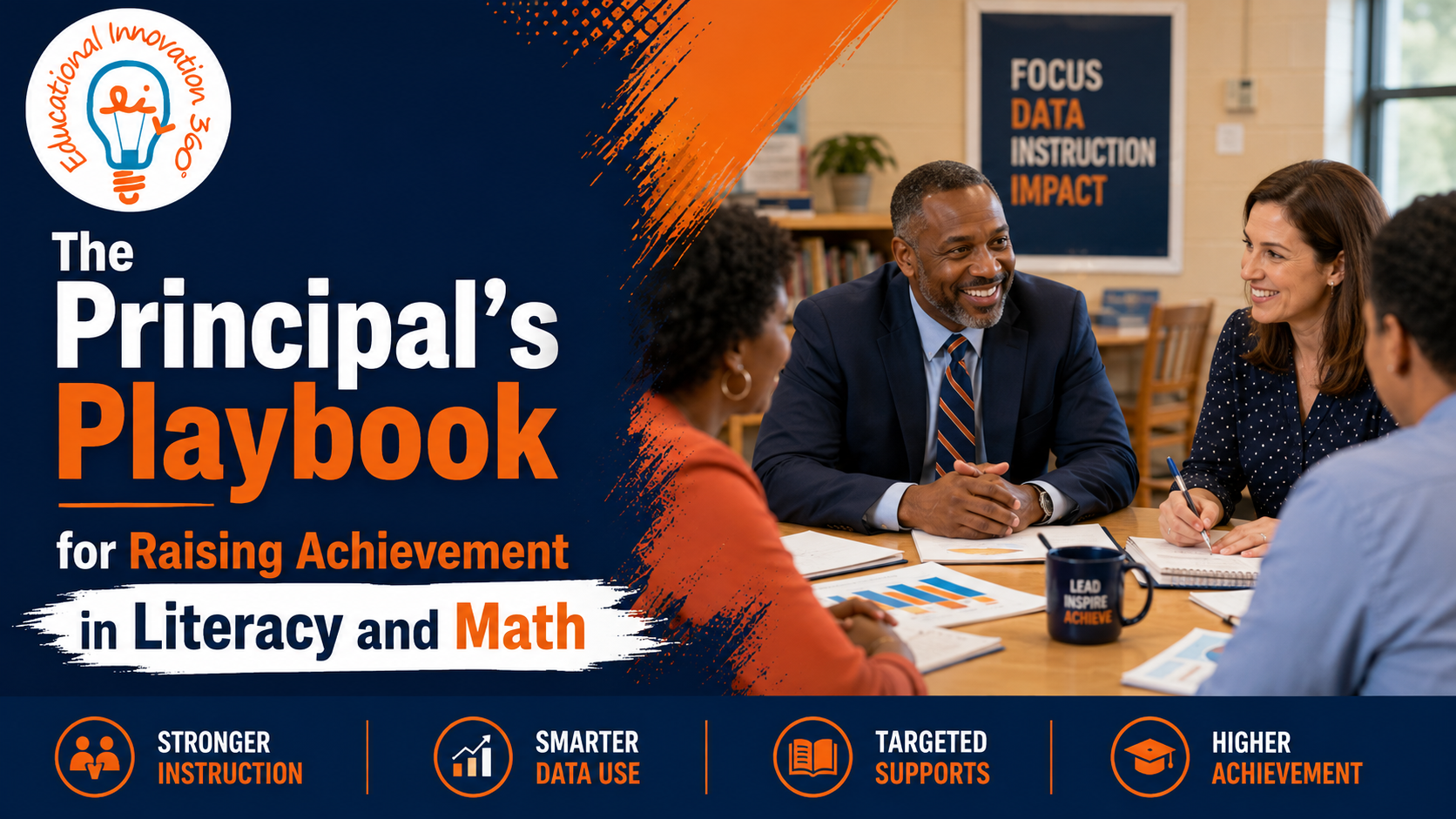
The Principal's Playbook for Raising Achievement in Literacy and Math

The Principal’s Playbook for Raising Achievement in Literacy and Math is a practical guide for school leaders who want to move beyond simply identifying achievement gaps and build systems that actually close them.

Read More
Coaching Strategies, School PrincipalEducational Innovation 360Educational Innovation 360educational innovation, education innovation, Educational Innovation 360, Ei360, K-12 education, K-12 educational leadership, school leadership, instructional leadership, principal leadership, education strategy, student achievement, achievement gaps, closing achievement gaps, learning gaps, evidence-based instruction, evidence-based teaching, high-quality instruction, instructional improvement, data-driven instruction, data-driven decision making, education data, assessment data, formative assessment, progress monitoring, MTSS, Multi-Tiered System of Supports, MTSS implementation, tiered intervention, student intervention, academic intervention, Tier 1 instruction, Tier 2 intervention, Tier 3 intervention, high-impact tutoring, tutoring programs, literacy intervention, math intervention, math achievement, literacy achievement, grade-level instruction, curriculum alignment, standards-aligned instruction, teacher coaching, instructional coaching, professional learning, school improvement, school improvement strategies, education leadership strategies, principal strategies, education transformation, educational equity, student outcomes, graduation outcomes, early warning indicators, attendance and achievement, school climate, student engagement, evidence-based education, education research, education solutions, education consulting, K-12 consulting, innovative education solutions
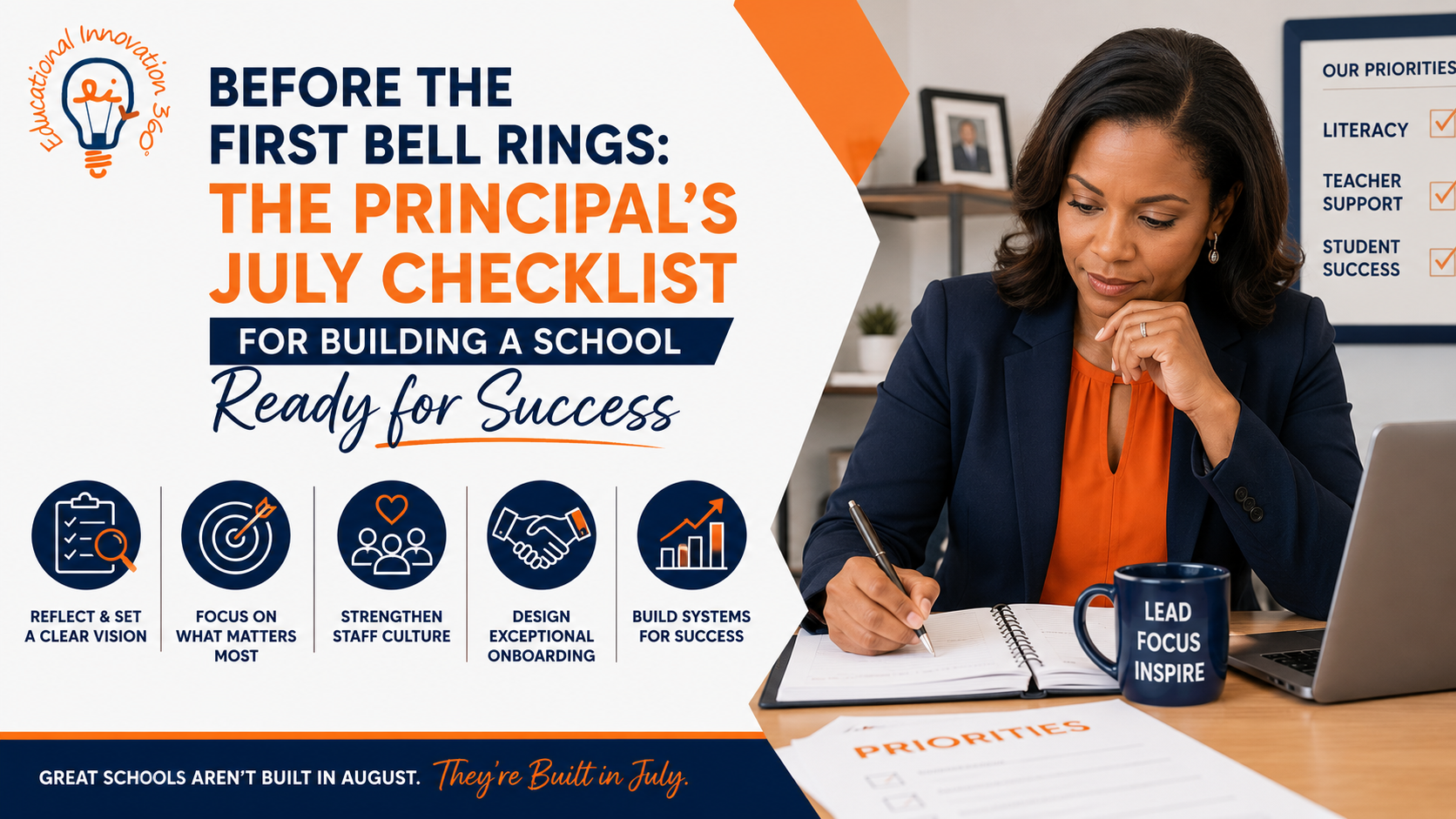
Before the First Bell Rings: The Principal's July Checklist for Building a School Ready for Success

The most successful school years begin long before students arrive. Before the First Bell Rings: The Principal's July Checklist for Building a School Ready for Success provides K–12 principals with practical strategies to use July as a time for intentional planning rather than reactive preparation.

Read More
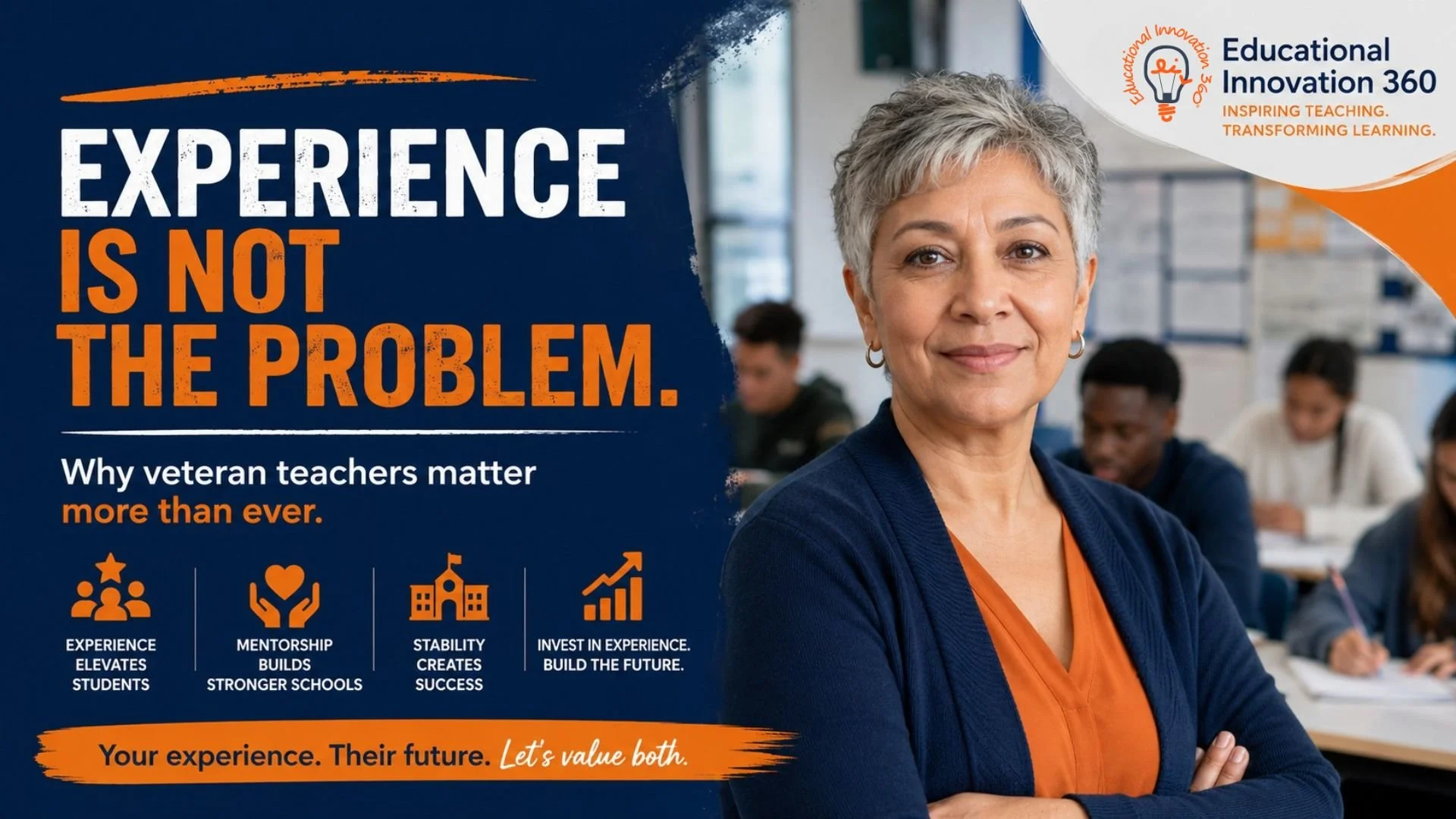
When Experience Becomes a Liability: Why Veteran Teachers Are Being Labeled "Overqualified

What happens when years of experience become a barrier instead of an asset? This blog explores the growing paradox facing veteran educators who are being labeled "overqualified" during one of the largest teacher shortages in history.

Read More
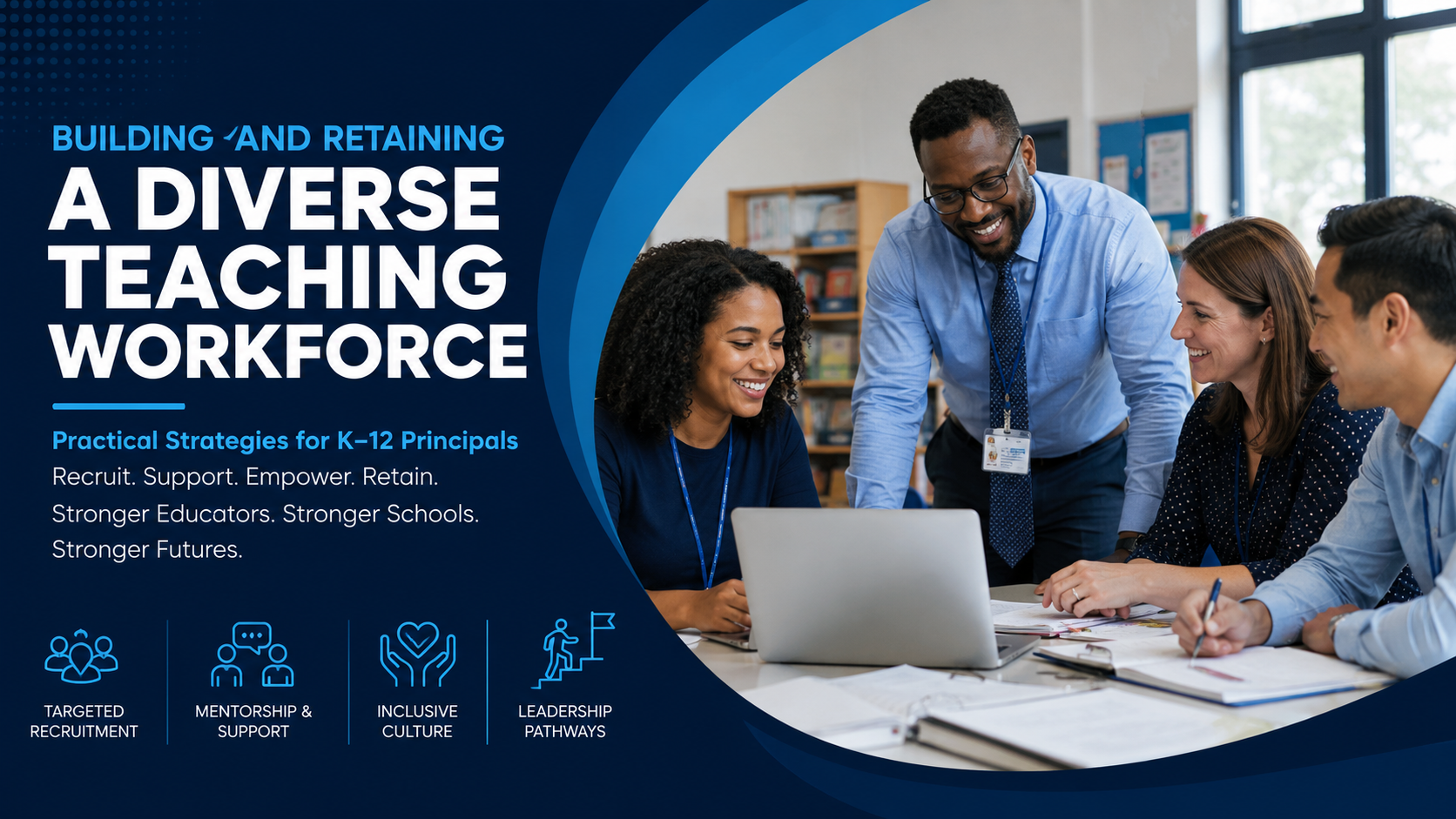
Building and Retaining a Diverse Teaching Workforce: A Principal's Action Guide

A diverse teaching workforce is one of the most powerful drivers of student success, school culture, and educational equity. This blog explores practical, research-based strategies K–12 principals can use to recruit, support, and retain educators from diverse backgrounds. Learn how targeted recruitment, culturally responsive leadership, mentorship programs, inclusive school cultures, and leadership development pathways can strengthen teacher retention and improve outcomes for all students. Discover actionable steps to build a workforce that reflects and empowers the communities you serve.

Read More
When Teachers Are the Last to Know: AI in K–12 and the Educator Voice Gap

AI is already shaping classrooms, but many principals are leading this shift without fully engaging the people who matter most: their teachers. This blog breaks down what’s happening on the ground, why the gap between adoption and support is growing, and what it looks like when schools move from top-down decisions to teacher-led innovation. If you’re making decisions about AI in your school, this is a conversation you can’t afford to miss.

Read More
What is the Instructional Move That Closes Gaps and Raises Achievement?

The achievement gap isn’t a mystery. It’s an instructional choice. This blog cuts through the noise to name the instructional move that actually moves the needle: active learning. For K–12 principals tired of chasing initiatives that don’t stick, this is a clear, research-backed case for shifting classrooms from sit-and-get to think, talk, and do. The result? Higher achievement, fewer failures, and real progress on inclusion, without burning out your teachers.

Read More
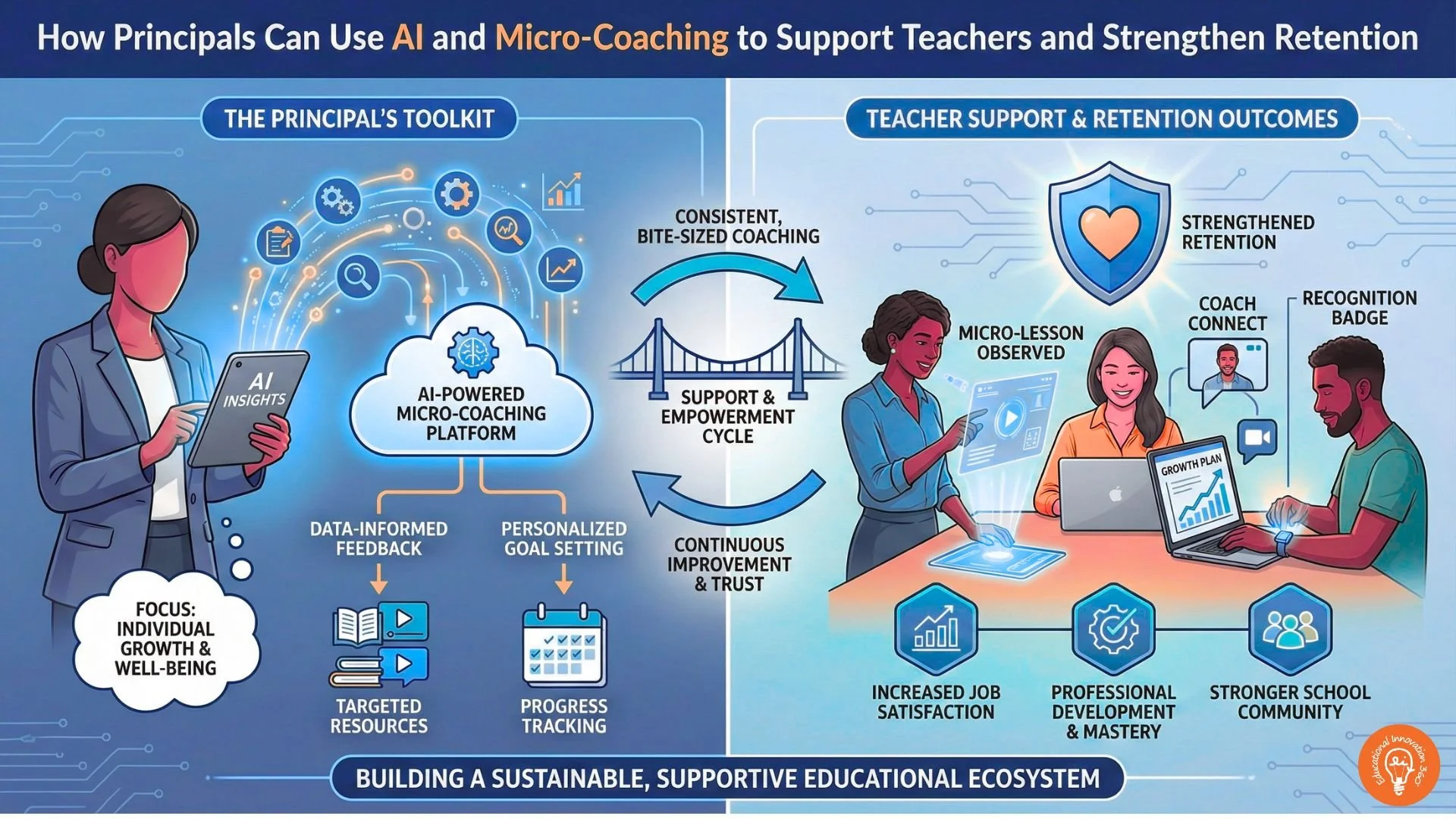
How Principals Can Use AI and Micro-Coaching to Support Teachers and Strengthen Retention

Give your teachers the support they deserve and watch your school rise. This approach blends quick coaching moves with practical AI tools so your staff feels energized, not overwhelmed. Strengthen your culture, reduce burnout, and create a team that stays, grows, and leads.

Read More
Differentiated and AI-Powered Professional Development in 2025

Discover how school leaders and instructional coaches are reshaping professional development in 2025 through differentiated, personalized pathways and AI-powered solutions.

Read More
School Principal, Instructional CoachingEducational Innovation 360Educational Innovation 360school leaders, instructional coaches, professional development, PD, differentiated learning, personalized pathways, artificial intelligence, AI, classroom challenges, MAP Growth, data-driven instruction, teacher roles, grade assignments, learning preferences, small group sessions, content-specific workshops, instructional goals, co-planning, modeling strategies, curriculum changes, post-pandemic recovery, student needs, personalized PD pathways, teacher data, self-assessments, classroom analytics, time efficiency, lesson planning, resource curation, assessment, just-in-time supports, micro-courses, exemplars, actionable classroom resources, collaborative learning, exploratory learning, technology innovation, access and equity, technology equity gaps, burnout, teacher wellbeing, mental health supports, professional learning schedules, implementation barriers, AI knowledge, classroom practice, best practices, teacher input, hands-on exploration, teacher confidence, instructional coaching cycles, reflection, goal-setting, action planning, micro-credentialing, AI-enabled feedback, mastery recognition, tailored growth, flexible time management, trauma-informed supports, modular learning, grade-specific PD, subject-specific PD, new teachers, leadership support, data-driven frameworks, collaborative planning, emerging research, future-ready schools, Educational Innovation 360Comment
Reflecting on the Pandemic Journey of Higher Education: 2019 to 2024

How did higher education transform through the COVID-19 upheaval from 2019 to 2024? What strategies did universities implement to adapt to the challenges posed by the pandemic, and what lingering effects remain? Do you think we’ve made enough of a change for our students to survive in the future?

Read More
Don't Give Up on Disengaged Students: Tools & Strategies for Success

Are you interested in supporting disengaged learners? Try these strategies so you can move beyond traditional methods and effectively support all students, fostering their success and creating a more inclusive learning community.

Read More
Gratitude and Growth: Celebrating Our Employees and Community at Educational Innovation 360

At Educational Innovation 360 (Ei360), daily we work to express profound gratitude for our dedicated employees and the supportive community, recognizing their vital roles in shaping the educational landscape. Join us as we celebrate the unique contributions and achievements of our team and community, emphasizing the importance of collaboration and thankfulness in driving educational innovation and success.

Read More
How Can Educators Embrace Conflict and Discomfort for Personal Development and Transformation

How do new teachers navigate a variety of conflicts and tensions in the classroom, and what strategies do they employ to cope? Here are the complexities of the current teaching environment, from curriculum discrepancies to interpersonal dynamics, and questions about the support systems in place for educators to be successful.

Read More
Empowering Education through Innovation: Technology Models

What are the five most impactful technology-supported pedagogic models for modern education? Take a look at how these models empower educators to create engaging learning environments tailored to diverse student needs.

Read More
Empowering Young Minds: Navigating the Dynamic Terrain of Phonemic Awareness, Phonics, and Data-Driven Instruction

In her presentation at Batesville's 8th Annual Splash into Learning Conference, Cassandra Williams from Educational Innovation 360 captivated a packed audience of educators seeking to enhance their teaching skills. Williams covered three essential topics: Diving into Data, Transforming Your Teaching through Visual Learning, and Empowering Young Minds with Phonemic Awareness and Phonics.

Read More
What is the Importance of Professional Development for Classroom Teachers

No teacher has all the answers, regardless of how knowledgeable or experienced they are. Click here to learn about the importance of professional development for classroom teachers.

Read More
What Are The Characteristics Of A Good Teacher?

It can be hard to gauge whether a teacher is effective but there are a few indicators that may help pinpoint characteristics that support the notion of what an ideal teacher should intel. Are you an “Ideal Teacher”

Read More
Focus On ONE Skill At A Time And Become A Highly Effective Teacher

If a proper plan is not laid out before practicing, then the teacher is much more likely to not practice in full, forget what they are practicing, and completely stop working on it altogether.

Read More